Quick Answer
Repair if your furnace is under about 10 years old, the repair is modest, and it’s been reliable. Replace if it’s 15+ years old, needs frequent or costly repairs, or has a safety problem like a cracked heat exchanger. A quick rule of thumb: if the furnace’s age multiplied by the repair cost is more than the price of a new furnace, replace it.
Prefer not to call? Get a quote online
When your furnace breaks down in the middle of an Ottawa winter, you need to make a big decision quickly: pay for the repair, or put that money toward a new furnace? Here’s how to think it through.
Repair Or Replace, By Age
Most furnaces last 15 to 20 years. Where yours sits in that range is the single biggest factor:
| Furnace Age | Usually The Better Choice |
|---|---|
| Under 10 years | Repair — and check whether the part is still under warranty |
| 10–15 years | Depends on the repair cost and how reliable it's been |
| 15+ years | Replace, especially for a major repair |
A Simple Rule Of Thumb
Multiply your furnace’s age by the cost of the repair. If the result is more than the price of a new furnace, replacement is usually the better value.
| Example | Age × Repair | Verdict |
|---|---|---|
| 8-year-old furnace, $400 repair | 8 × $400 = $3,200 | Repair |
| 12-year-old furnace, $600 repair | 12 × $600 = $7,200 | Lean toward replacing |
| 17-year-old furnace, $900 repair | 17 × $900 = $15,300 | Replace |
See our Ottawa furnace replacement cost guide for current prices.
Signs It’s Time To Replace
- Frequent repairs. Two or more service calls in a couple of years is a sign it’s wearing out.
- Rising heating bills with no change in how you use it.
- Uneven heat — cold rooms or the furnace running constantly to keep up.
- Strange noises or smells like banging, rattling or a burning odour.
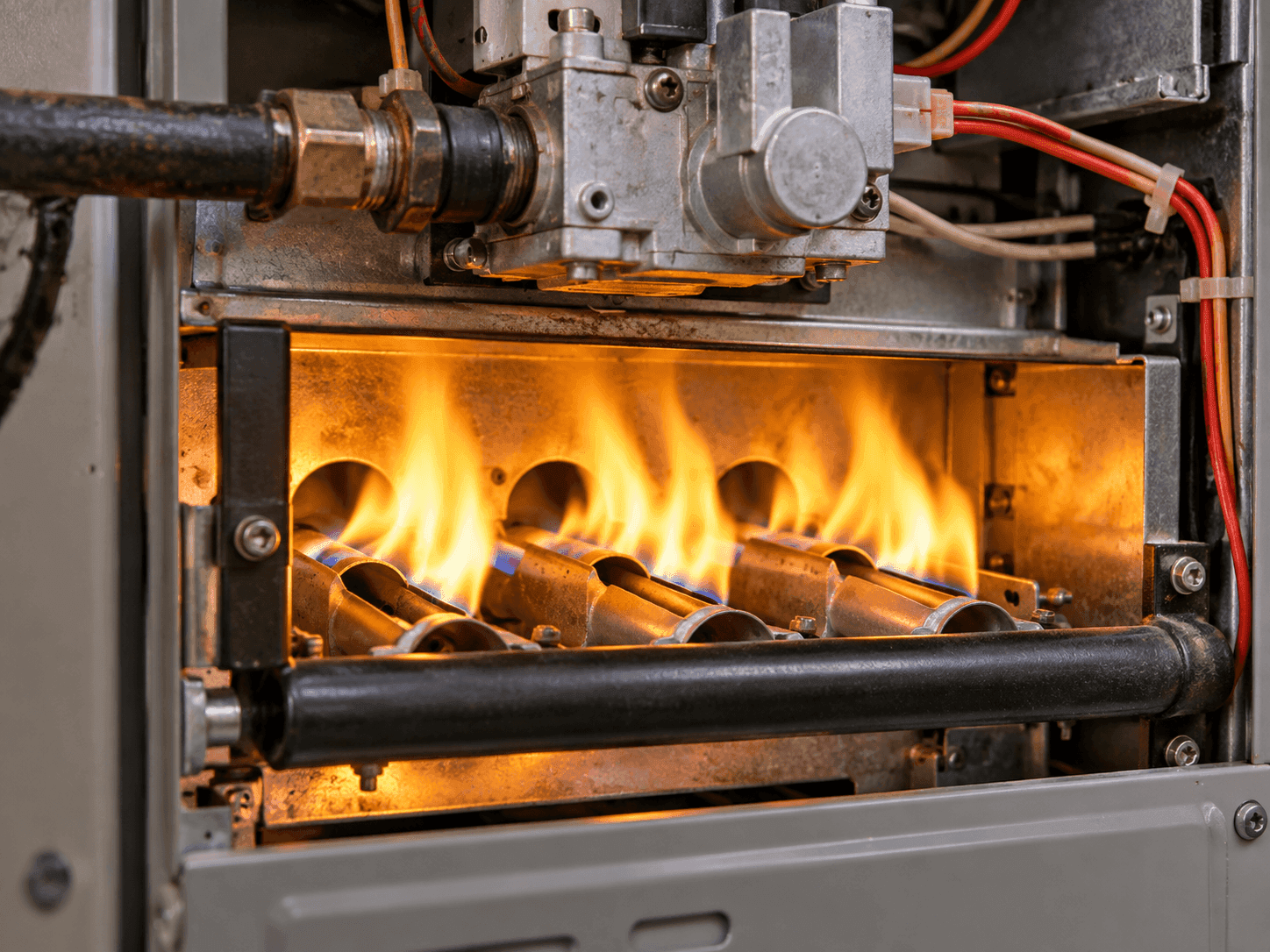
- A yellow or flickering burner flame on a gas furnace instead of a steady blue one.
- Hard-to-find parts for an older model.
When Safety Makes The Decision
Cracked Heat Exchanger
A cracked heat exchanger can let carbon monoxide into your home. When it happens on an older furnace, replacement is almost always the safe choice. If you smell gas or your carbon monoxide alarm goes off, leave the house and call for help right away.
Ontario requires working carbon monoxide alarms in homes with a fuel-burning appliance like a gas furnace. Test yours regularly — and definitely before the heating season starts.
What A New Furnace Saves
Older furnaces were often much less efficient than today’s. In Canada, new gas furnaces must be at least 95% AFUE, meaning at least 95% of the fuel becomes heat for your home. If you’re replacing a furnace that’s 15 or 20 years old, you’ll likely use noticeably less gas every winter.
A new furnace also comes with a fresh manufacturer’s warranty, so you’re not paying for the next repair out of pocket. Energy rebate programs change often — ask what’s currently available when you get a quote.
Why Timing Matters
The worst time to replace a furnace is when it fails in January. You have to decide fast, and installers are at their busiest. If your furnace is 15+ years old or has needed several repairs, pricing a replacement in the spring, summer or early fall gives you time to choose the right system calmly.
If your air conditioner is getting older too, read should you replace your furnace and AC at the same time?
The Bottom Line
Repair a younger furnace with a modest problem. Replace a furnace that’s 15+ years old, needs frequent or expensive repairs, or has a safety issue. When in doubt, multiply its age by the repair cost and compare it with the price of a new furnace.
Learn more about our furnace replacement and HVAC repair services.