Quick Answer
Spray foam insulation expands to seal gaps and cracks that other insulation leaves open. That means fewer drafts, less heat loss, better moisture resistance and a quieter, more comfortable home. It costs more upfront than batts or blown-in, so it’s most worth it in rim joists, basement walls, vaulted ceilings and rooms over garages.
Prefer not to call? Get a quote online
Insulation has a big impact on your comfort and your heating bills — especially through an Ottawa winter. Spray foam is one of the most effective options available, but it isn’t the right choice for every part of the house. Here’s what it does well, what it costs, and where it’s worth the investment.
1. Better Energy Efficiency
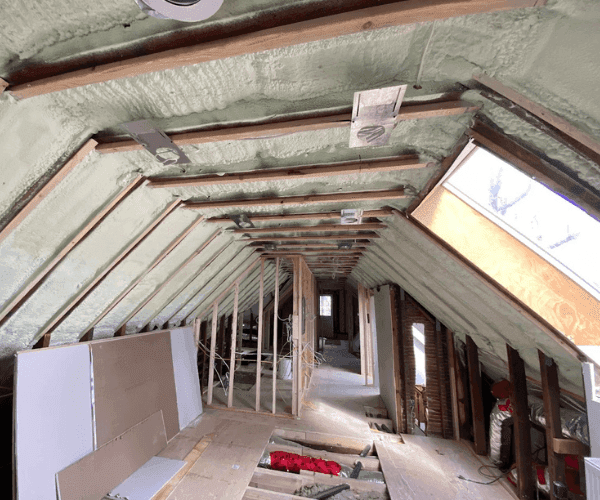
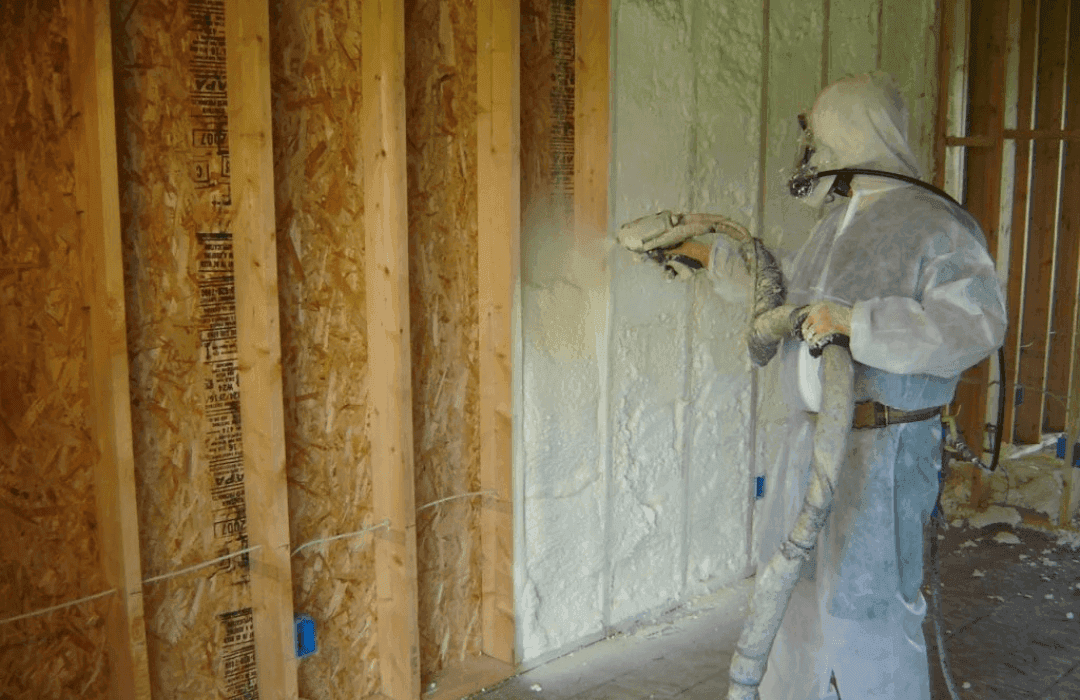
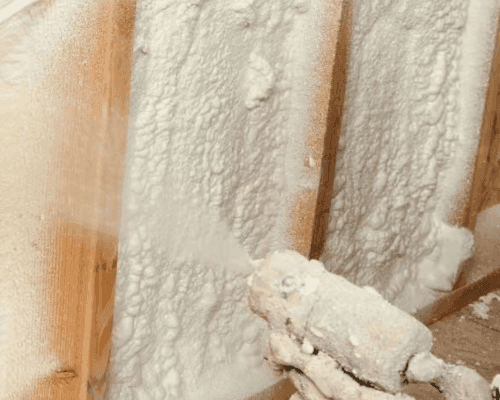
Spray foam expands as it’s applied, filling the gaps, cracks and crevices in walls, rim joists and rooflines. Unlike fibreglass batts, which leave small gaps at the edges, it forms an air-tight seal.
That matters because air leaks are a major source of heat loss. By sealing them, spray foam keeps indoor temperatures more stable and reduces the load on your furnace and AC. Closed-cell foam also has one of the highest insulating values per inch of any common insulation.
2. Moisture And Mold Resistance
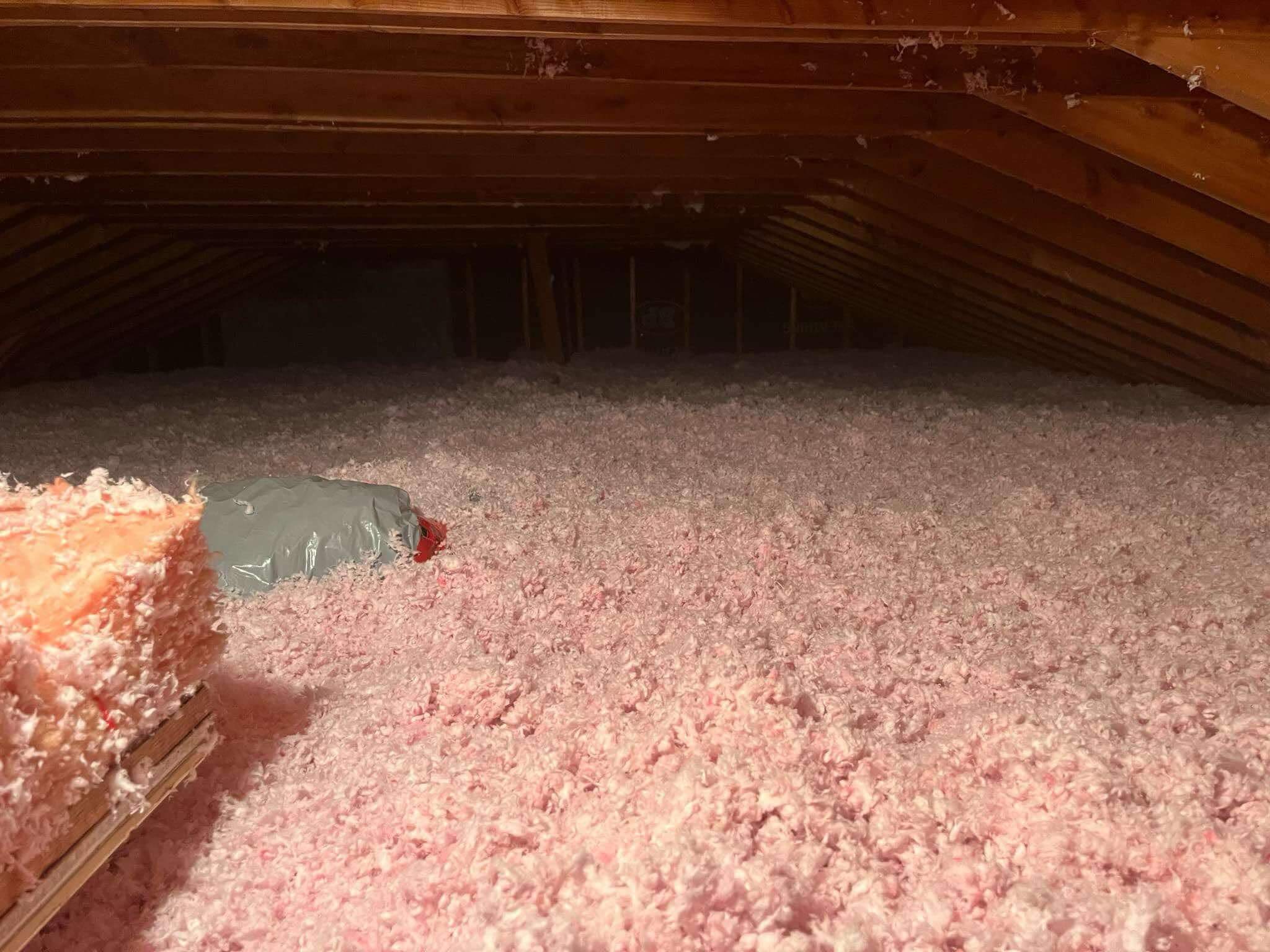
Moisture, condensation and leaks can lead to mold, wood rot and structural damage over time. Traditional insulation can absorb moisture and hold it against the structure.
Closed-cell spray foam resists moisture and acts as an air barrier, which helps prevent the condensation that leads to mold — a big reason it’s popular for basements and rim joists. Existing moisture problems should always be fixed before any insulation goes in.
3. More Comfort And Less Noise
- Fewer drafts. Sealing air leaks reduces cold spots and temperature swings between rooms.
- Less outside noise. Filling cavities helps dampen sound from traffic and neighbours.
- Less outside air sneaking in. Air sealing reduces the dust and pollen that leak in through gaps.
4. Long-Lasting Performance
Batts and loose-fill insulation can sag, shift or compress over time, which lowers their effectiveness. Properly installed spray foam adheres to the surface and holds its shape, so it keeps performing for decades without upkeep. Energy-efficient upgrades can also be an attractive feature when it’s time to sell.
Spray Foam Vs Batts Vs Blown-In
| Spray Foam | Fibreglass Batts | Blown-In | |
|---|---|---|---|
| Air sealing | Excellent | Poor — gaps at the edges | Fair |
| Moisture resistance | Excellent | Poor | Fair |
| Upfront cost | Highest | Lowest | Low to moderate |
| Best for | Rim joists, basement walls, vaulted ceilings, rooms over garages | Open wall cavities on a budget | Open attic floors |
The Right Tool For Each Space
Spray foam isn’t always the best value. For an open attic floor, blown-in insulation usually gives you more for your money. We recommend spray foam where air sealing and moisture matter most. See our attic insulation service for blown-in.
Cost Vs Value: Is Spray Foam Worth It?
Spray foam costs more upfront than traditional insulation. Here’s what typical projects cost in Ottawa:
| Project | Typical Cost |
|---|---|
| Closed-cell spray foam, per sq ft installed | About $3–$6 |
| Smaller jobs (rim joists, part of a basement) | $1,500–$3,000+ |
| Larger areas | $3,000–$8,000+ |
| Big multi-area projects | $10,000+ |

Where it’s used in the right places — the spots where air leaks and moisture cause the most problems — the comfort and energy savings make it worth the higher upfront cost for many homeowners. How much you save depends on how leaky and under-insulated the area was to begin with.
Is Spray Foam Safe?
Once fully cured, spray foam is stable. The space is ventilated during application and curing, and everyone — including pets — stays out of the area until the re-entry time has passed, which is often around 24 hours. In most living spaces, building code also requires the foam to be covered with a thermal barrier like drywall.
The Bottom Line
Spray foam insulation seals air leaks, reduces drafts, resists moisture and keeps performing for decades. It costs more than batts or blown-in, so it’s most worth it in rim joists, basement walls, vaulted ceilings and rooms over garages — while blown-in is often the better value for open attic floors.
Learn more about our spray foam insulation service.