Quick Answer
For most Ottawa attics, blown-in insulation is the better choice. It fills in around joists, wiring and tight corners with no gaps, goes right on top of existing insulation, and is usually the most cost-effective way to reach the recommended R-50 to R-60. Batts work best in attics with easy access and evenly spaced joists.
Prefer not to call? Get a quote online
If you’re adding insulation to your attic, you’ll quickly run into the big choice: loose blown-in insulation, or rolls of batts. Both can work — but they perform very differently in a real attic, with joists, wires, vents and awkward corners.
Blown-In Vs Batt Insulation At A Glance
| Blown-In | Batts | |
|---|---|---|
| R-value per inch | About R-2.9 (fibreglass) to R-3.6 (cellulose) | About R-3.2 (fibreglass) |
| Coverage | Fills gaps around joists, wires and vents | Gaps at edges and around obstacles if not cut perfectly |
| Topping up existing insulation | Easy — blown right on top | Possible, but hard to lay evenly over old insulation |
| Installation | Fast, with a blowing machine — usually one day | Slower — each piece cut and fitted |
| Cost to reach R-50 to R-60 | Usually lower | Usually higher in labour |
| DIY-friendly? | Needs a rented blower | Yes, for simple attics |
Blown-In Insulation: Pros And Cons
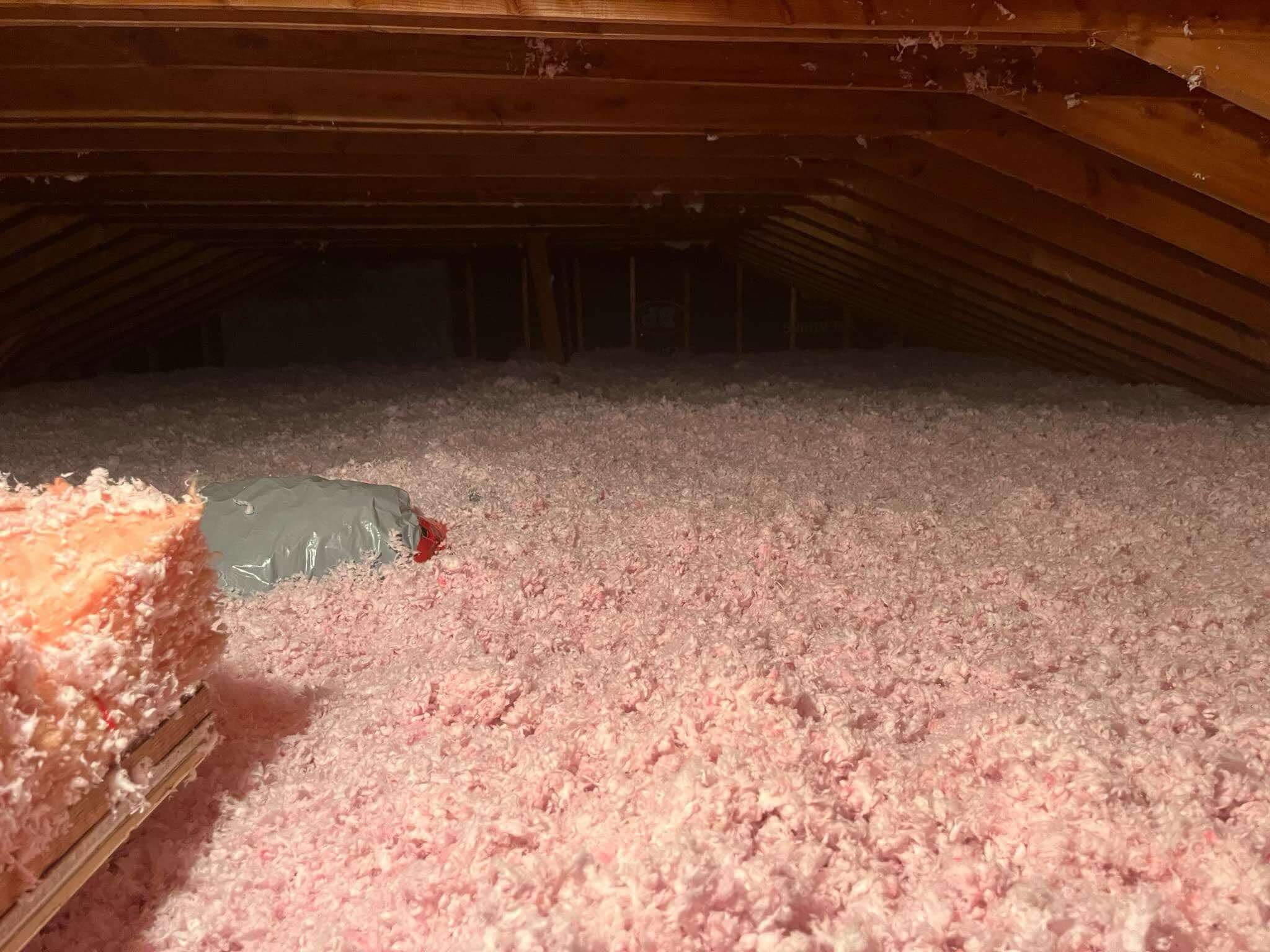
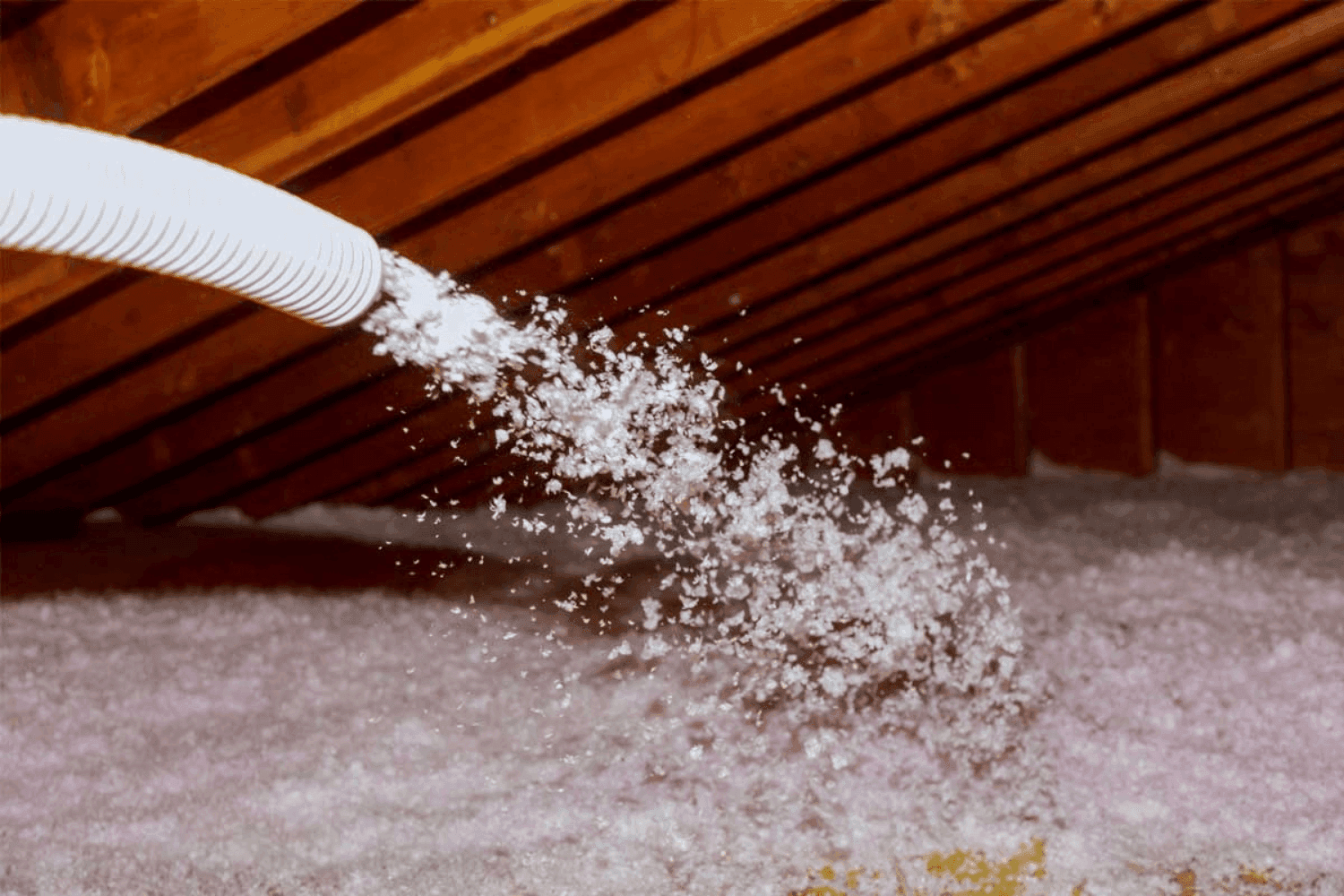
Blown-in (or loose-fill) insulation is blown into the attic through a hose, forming a deep, even blanket across the whole floor.
Pros
- Fills in around joists, wiring, vents and into the corners near the eaves
- Goes right on top of existing insulation to reach full depth
- Fast to install — most attics are done in a single day
- Usually the most cost-effective way to reach R-50 to R-60
Cons
- Needs a blowing machine, so it's harder to DIY
- Makes the attic harder to walk through for future work
- Needs baffles to keep it from blocking soffit vents
Batt Insulation: Pros And Cons
Batts are pre-cut blankets of insulation, usually fibreglass or mineral wool, laid between the attic joists.
Pros
- Easy to handle and DIY in a simple, open attic
- Good R-value per inch when installed properly
- Can be lifted and put back for access to wiring
Cons
- Gaps and compressed spots around wires and obstacles reduce performance
- Reaching R-50 to R-60 takes multiple layers
- More labour to cut and fit, which raises the cost
Gaps Matter More Than You'd Think
Better Homes Ottawa notes that improper installation can lower the R-value of insulation. Small gaps and compressed spots add up — which is why a continuous blown-in layer usually outperforms batts in a real attic.
Blown-In Cellulose Vs Fibreglass
Blown-in insulation comes in two main types:
| Cellulose | Fibreglass | |
|---|---|---|
| What it is | Recycled paper treated to resist fire and mold | Spun glass fibres |
| R-value per inch | About R-3.6 (settled) | About R-2.9 |
| Depth for R-60 | Roughly 17 inches | Roughly 21 inches |
| Good to know | Denser, and settles over time — installers add extra depth to allow for it | Lighter and doesn't absorb moisture |
Which Should You Choose?
| Your Attic | Best Choice |
|---|---|
| Existing insulation is thin but in good shape | Blown-in, topped up on top |
| Lots of wiring, vents or awkward corners | Blown-in |
| Low, hard-to-reach attic space | Blown-in |
| Open attic, evenly spaced joists, DIY project | Batts can work |
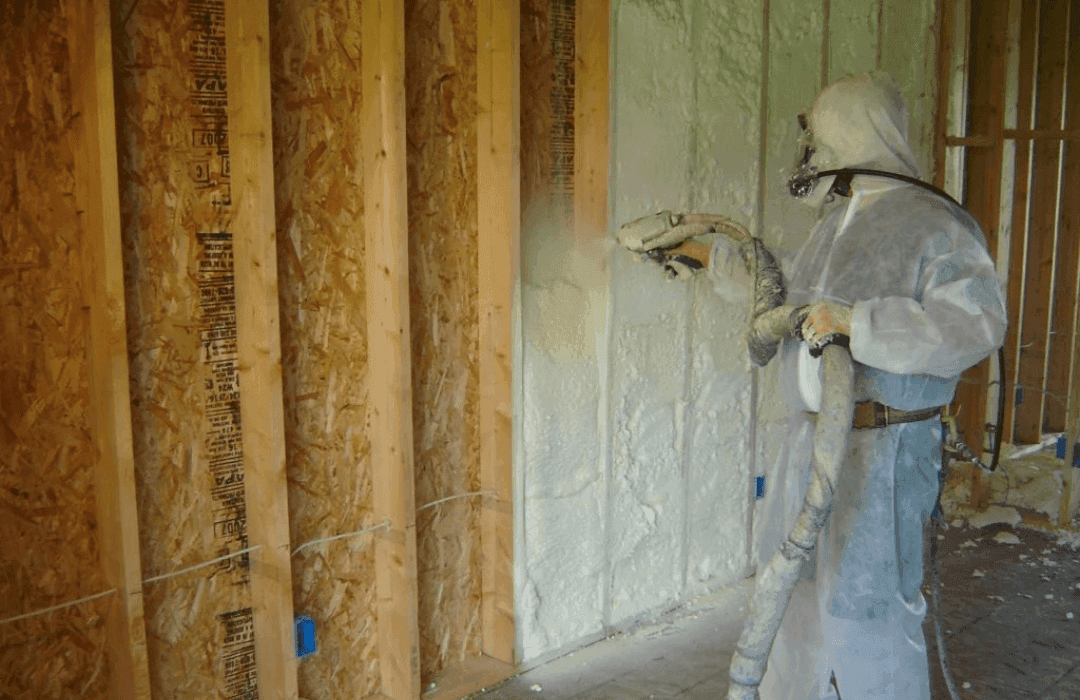
| Vaulted or cathedral ceiling | Spray foam may be the better option |
Wondering what it costs? See our Ottawa attic insulation price guide. For rooflines and cathedral ceilings, see our spray foam insulation service.
The Bottom Line
For most Ottawa attics, blown-in insulation is the better choice: it fills every gap, tops up existing insulation easily, and is usually the most cost-effective way to reach R-50 to R-60. Batts are a reasonable option for simple, open attics — especially as a DIY project.
Learn more about our attic insulation service.
Sources: Natural Resources Canada — Keeping the Heat In, Section 3; Better Homes Ottawa — Attic Insulation